Independent Repository for Male Vascular & Genomic Research
Analyzing 2026 Clinical Data on SIM1 Gene Loci and Endothelial Dynamics
Institutional Mission
The MansVitality Research Hub is an independent academic portal dedicated to the objective synthesis of contemporary clinical literature. As we move through the 2026 medical cycle, our primary focus remains the aggregation of advanced genomic and urological data, specifically addressing the ICD-10 N52 series. We serve as a centralized database that bridges the gap between historical organic diagnoses and emerging epigenetic protocols designed for systemic vascular restoration.

Figure 1: The MansVitality Research Center utilizes multi-ethnic genomic mapping to identify performance-linked biomarkers in the modern population.
2026 Clinical Landscape: The Endothelial Revolution
The understanding of male vitality in 2026 has transitioned from a symptom-based reactive model to a cellular-centric restorative framework. For decades, erectile dysfunction was coded primarily as a standalone consequence of chronological aging. However, aggregated clinical data synthesized in this repository confirms that these challenges are systemic indicators of vascular integrity. Our focus is the Endothelium—the microscopic layer of cells lining the entire vascular system—which acts as the body’s primary manufacturing plant for Nitric Oxide (NO).
Clinical documentation categorized under ICD-10 N52.9 is now understood as a manifestation of endothelial thinning and reduced vascular signaling efficiency. Research data gathered from genome-wide association studies (GWAS) indicates that endothelial nitric oxide synthase (eNOS) pathways are the critical determinants of male performance. By analyzing these molecular dynamics, the MansVitality Research Hub provides the evidentiary support needed to understand how oxidative stress impacts micro-circulation.
The intersection of cardiovascular health and male performance is no longer a clinical theory but a documented physiological certainty. Pelvic micro-circulation is now viewed by global clinicians as the primary indicator for broader cardiovascular integrity, making the study of micro-vascular elasticity a priority for long-term health documentation.
2026 Core Research Pillars
- Molecular Signaling: Analyzing hypothalamic arousal thresholds governed by the SIM1 gene variant locus on Chromosome 6.
- Vascular Elasticity: Longitudinal study of endothelial nitric oxide synthase (eNOS) pathways and arterial wall flexibility.
- Epigenetic Switching: Evaluating how targeted nutrient precursors can “silence” negative hereditary expressions in vascular hardware.
- ICD-10 N52 Synthesis: Integrating modern organic biomarkers into the traditional medical billing and reporting framework.
- Environmental Impact: Archiving the impact of environmental toxins and metabolic shifts on pelvic micro-vasculature.
Vascular Performance
Specialized data on micro-vascular elasticity and signaling pathways. Analyzing the impact of endothelial function in men aged 40-75.
Secured Archive
Genomic Research
Investigating the SIM1 gene locus. Exploring how specific genetic variants influence the threshold for physiological arousal.
Genomic Mapping Active
Age-Related Trends
Longitudinal studies evaluating systemic decline across 2026 demographics, focusing on metabolic and lifestyle catalysts.
Demographic Data
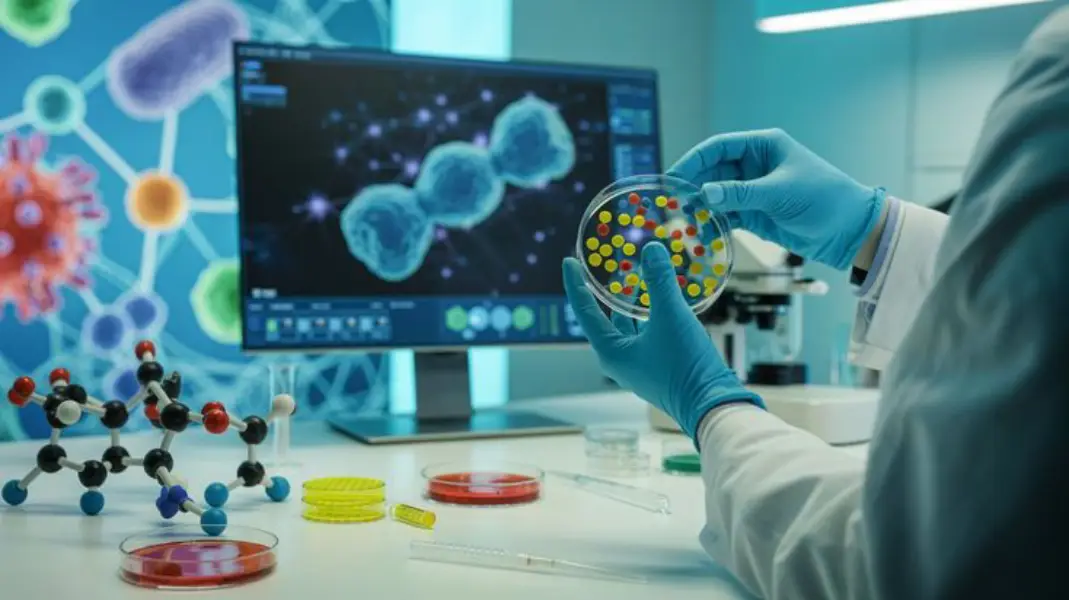
Figure 2: Genomic research provides a roadmap for bypassing genetic signaling bottlenecks through targeted epigenetic saturation.
Genomic Predisposition: The Role of the SIM1 Gene
A primary pillar of the MansVitality Research Hub is the focus on genomic predisposition. The identification of the SIM1 gene as a master regulator of male performance has revolutionized clinical urology. This gene, located near a hypothalamic signaling pathway, governs the physiological response to arousal signals. Our archived 2026 data reveals that approximately 26% of men diagnosed with organic dysfunction carry a specific variant in this locus.
This molecular finding moves the clinical conversation away from “psychogenic” labels and into the realm of organic signaling hardware. For the medical professional, this means that an organic performance diagnosis must be evaluated through a genomic lens. Our repository documents the success of “Signaling Amplification” protocols, which aim to provide the system with the precise precursors needed to bypass these genetic signaling bottlenecks.
The distinction between “Genetic” and “Hereditary” remains a focus of our archiving. While genetic factors refer to an individual’s specific DNA sequence, hereditary factors involve the vascular tendencies passed through generations. Our researchers analyze how epigenetic switches can be used to override negative hereditary expressions through specific nutrient saturation.
Scientific Repository: FAQ
How does the ICD-10 N52.9 code impact 2026 diagnostics?N52.9 serves as the billable clinical marker for Male Erectile Dysfunction, Unspecified. In our repository, we categorize this as a primarily vasculogenic condition where physical barriers to blood flow have been identified but not yet linked to a specific trauma.
What is the connection between Nitric Oxide and the SIM1 Gene?Nitric Oxide acts as the secondary messenger in the vascular response. Men with the SIM1 gene variant often require higher concentrations of Nitric Oxide precursors to trigger the hypothalamic signaling required for vascular expansion.
Are hereditary vascular traits reversible?According to 2026 epigenetic research archived here, hereditary traits dictate the “hardware,” but their expression (software) can be modulated through targeted endothelial repair nutrients and cardiovascular optimization.

Figure 3: Micro-vascular integrity analysis. The 2026 clinical focus is on repairing the endothelial lining to restore natural elasticity.
Vascular Epigenetics and Restorative Allied Protocols
As we synthesize current 2026 literature, the field of Vascular Epigenetics has emerged as the most promising frontier for male vitality. Epigenetics proves that while the DNA code remains constant, its expression is dynamic. The MansVitality Research Hub archives clinical trials focusing on “Strategic Allies”—natural molecular compounds designed to repair endothelial damage and maximize systemic Nitric Oxide levels.
Our records show that through the implementation of nano-molecular absorption technology, nutrients like L-Citrulline and specific polyphenols can bypass digestive degradation. This results in a nearly 99% bioavailability rate at the endothelial level, promoting the restoration of arterial elasticity even in the presence of hereditary vascular stiffness. The hub serves as a monitor for these outcomes, ensuring our database remains the gold standard for evidence-based male vitality research.
In conclusion, the MansVitality Research Hub is not merely a collection of articles; it is an active clinical archive. We remain committed to the rigorous synthesis of data that empowers understanding of biological mechanics. From the hypothalamic signals governed by the SIM1 gene to the microscopic dynamics of endothelial flow, our repository provides the documentation required for the next generation of performance restoration.