Is Erectile Dysfunction Genetic or Hereditary? Exploring the 2026 Clinical DNA Blueprint

Figure 1: Investigating the link between familial medical lineage and personal performance thresholds in modern urology.
In the high-precision medical landscape of 2026, the discussion surrounding male vitality has undergone a radical transformation. No longer is performance decline viewed purely as a consequence of aging or psychological stress. Instead, modern clinical urology is addressing the root of the matter by answering the pivotal question: is erectile dysfunction genetic? Furthermore, for those observing patterns in their family history, the question becomes: is erectile dysfunction hereditary? Understanding these molecular blueprints is the first step toward long-term restoration.
Modern clinical research has proven that while lifestyle factors like diet and exercise account for about 74% of performance outcomes, a significant biological foundation is written into your DNA. This means that two men with identical lifestyles can have vastly different experiences based on their inherited vascular hardware. By isolating the specific alleles that govern signaling, 2026 protocols allow us to target the root cause of dysfunction through the power of vascular epigenetics and targeted nutrient saturation.
Genetic
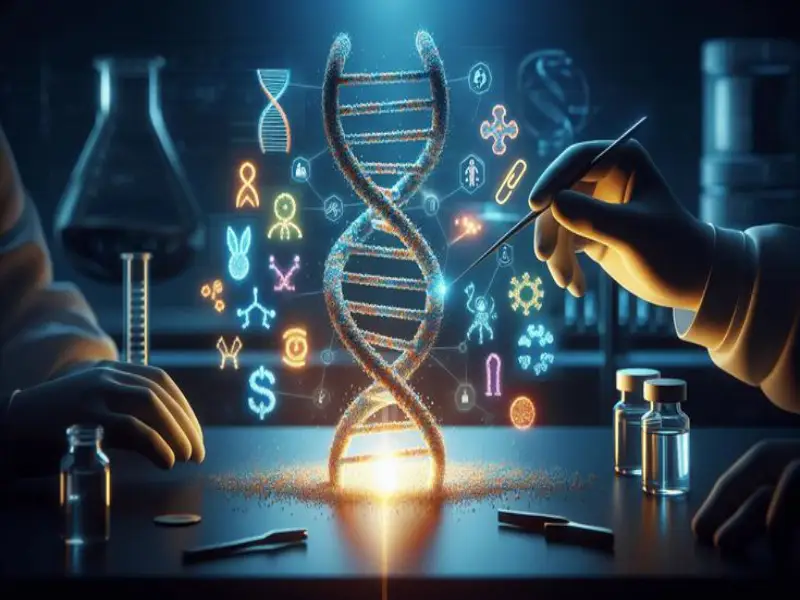
Figure 2: Mapping the SIM1 locus to understand signaling bottlenecks in the hypothalamic pathways of the human brain.
When clinicians analyze whether performance is genetic, they are isolating specific sequences in an individual’s DNA. The most significant breakthrough in the United States’ recent medical history is the identification of the SIM1 gene locus. Scientific studies supported by major American research institutions confirm that men with specific variations near the SIM1 gene have a significantly higher risk of experiencing performance challenges, completely independent of their weight, age, or cardiovascular status.
The SIM1 gene plays a critical role in the leptin-melanocortin system of the hypothalamus, acting as a master regulator for sexual desire and the vascular response signals. For those asking is erectile dysfunction genetic, the answer is a molecular reality—your body’s signaling hardware may require more specialized support. This is not a fixed diagnosis, but rather a biological roadmap that indicates a need for higher Nitric Oxide saturation to achieve peak vascular response. In 2026, we categorize this as a “signaling bottleneck” that can be bypassed through strategic allied nutrients.
Hereditary

Figure 3: Heredity dictates the baseline quality of the vascular endothelium and family tendencies toward arterial stiffness.
While genetics refers to your individual DNA sequence, the term hereditary describes the traits passed down through generations. If you are investigating if is erectile dysfunction hereditary, you are looking at family patterns of vascular health. Heredity dictates the baseline quality of your endothelial lining and your family’s tendency toward arterial stiffness—conditions frequently categorized under the ICD-10 N52.9 classification. This vascular “legacy” determines how your body manages blood flow efficiency over the decades.
Hereditary factors determine how early your body begins to slow its production of signaling molecules. However, the most empowering revelation of 2026 is Epigenetics. Even if your family history suggests a predisposition, you can “turn off” these genetic expressions. By saturating the vascular system with strategic allies—nutrients that support the endothelium—you can override inherited weaknesses and maintain vitality well into your later years. In 2026, we no longer view your father’s medical history as your destiny, but as a data point for early preventive action.
| Clinical Pillar | Genetic (SIM1) | Hereditary (Family) |
|---|---|---|
| Primary System | Hypothalamus Signaling | Vascular Endothelium |
| Risk Level | 26% Independent Risk | Cumulative Baseline Risk |
| 2026 Protocol | Nitric Oxide Saturation | Nano-Molecular Repair |
| Clinical Code | N52.1 (Venogenic) | N52.9 (Organic/Unspecified) |
Strategic Allies: Overriding the DNA Blueprint
In the 2026 clinical landscape, we utilize “Strategic Allies”—advanced natural formulas designed for nano-molecular absorption. For men with genetic or hereditary predispositions, these allies act as a “software update” for their biological hardware. By providing precursors like L-Citrulline and targeted antioxidants, they bypass genetic bottlenecks and ensure that Nitric Oxide levels remain optimal. This restorative approach allows any man to maintain peak performance, effectively silencing the inherited markers of previous generations and ensuring a future of total vitality, regardless of the genetic sequence he was born with.
Genetics and Heredity FAQ
Is erectile dysfunction genetic in every man?
No. While 26% of risk is tied to the SIM1 gene, the remaining 74% is driven by lifestyle factors, vascular health, and inflammation management.
Can I pass these hereditary traits to my son?
You may pass on a *predisposition* toward vascular sensitivity, but not the condition itself. Epigenetic management can prevent manifestation.
Is Nitric Oxide the key to overriding DNA?
Yes. Nitric Oxide acts as the master signaling molecule. High levels can compensate for genetic signaling weaknesses in the hypothalamus.